
Understanding Pool Renovation Costs: What You Need to Know About Pool Resurfacing
- Michelle Morris-Adams
- Jan 19
- 4 min read

Owning a swimming pool is like having your own little slice of paradise right in your backyard. But, as much as we love our pools, they don’t stay perfect forever. Over time, wear and tear can make your pool look tired, rough, or even unsafe. That’s where pool resurfacing comes in. If you’ve been wondering about the pool resurfacing cost and whether it’s worth the investment, you’re in the right place. Let’s dive into the details together.
What Exactly Is Pool Resurfacing?
Before we talk money, let’s get clear on what pool resurfacing actually means. Think of it as giving your pool a fresh new skin. Over the years, the surface of your pool can crack, chip, or become rough due to constant exposure to water, chemicals, and weather. Resurfacing involves removing the old surface layer and applying a new one to restore smoothness, improve appearance, and extend the life of your pool.
There are several materials used for resurfacing, including:
Plaster: The most common and affordable option, plaster gives a smooth, white finish.
Pebble Tec: A blend of pebbles and plaster, offering a textured, natural look.
Quartz: A durable and attractive option that adds sparkle to your pool.
Tile: For a high-end, decorative finish, though it’s the priciest choice.
Each material has its own price range and lifespan, which will affect your overall pool renovation costs.

Breaking Down Pool Renovation Costs
Now, let’s talk numbers. Pool renovation costs can vary widely depending on several factors. Here’s what you should consider:
Size and Shape of Your Pool
Larger pools require more materials and labor, so naturally, they cost more to resurface. Odd shapes or pools with intricate designs can also increase the price because they take more time and skill to work on.
Type of Resurfacing Material
As mentioned earlier, plaster is the most budget-friendly, while pebble, quartz, and tile options can significantly increase your costs. For example:
Plaster: $4,000 - $7,000
Pebble Tec: $7,000 - $12,000
Quartz: $6,000 - $10,000
Tile: $10,000 and up
Condition of the Existing Surface
If your pool has extensive damage like deep cracks or leaks, repairs will add to the cost. Sometimes, the old surface needs to be completely removed, which is more labor-intensive.
Labor and Location
Labor costs vary by region and the expertise of the contractor. In the North Bay area, you might find prices slightly higher than the national average due to local demand and regulations.
Additional Features
If you want to upgrade your pool during resurfacing—like adding new lighting, water features, or coping stones—expect the price to rise accordingly.
To get a clearer picture, you can check out the pool resurfacing cost estimates from trusted local providers.
Is It Worth Resurfacing a Pool?
Here’s the million-dollar question: Should you resurface your pool or just replace it? The answer depends on a few things.
If your pool is structurally sound but the surface looks worn, resurfacing is a fantastic way to breathe new life into it without the huge expense of a full rebuild. It can improve safety by smoothing rough patches and prevent leaks by sealing cracks.
On the other hand, if your pool has major structural issues or outdated plumbing and equipment, resurfacing alone might not be enough. In that case, a full renovation or replacement could be more cost-effective in the long run.
Think of resurfacing like giving your pool a facelift rather than a full makeover. It’s less invasive, quicker, and usually more affordable. Plus, a fresh surface can boost your home’s curb appeal and make your pool more enjoyable for years to come.
How to Prepare for Pool Resurfacing
Getting ready for pool resurfacing is easier than you might think. Here are some tips to make the process smooth and stress-free:
Schedule a Professional Inspection
Have a pool expert assess your pool’s condition. They’ll identify any hidden problems and recommend the best resurfacing material.
Plan for Downtime
Resurfacing usually takes 1-2 weeks, including curing time. You won’t be swimming during this period, so plan accordingly.
Clear the Area
Remove pool furniture, toys, and accessories to give workers easy access.
Budget Wisely
Get multiple quotes and ask about warranties. Remember, the cheapest option isn’t always the best.
Ask About Maintenance
Different surfaces require different care. Knowing this upfront helps you keep your pool looking great longer.
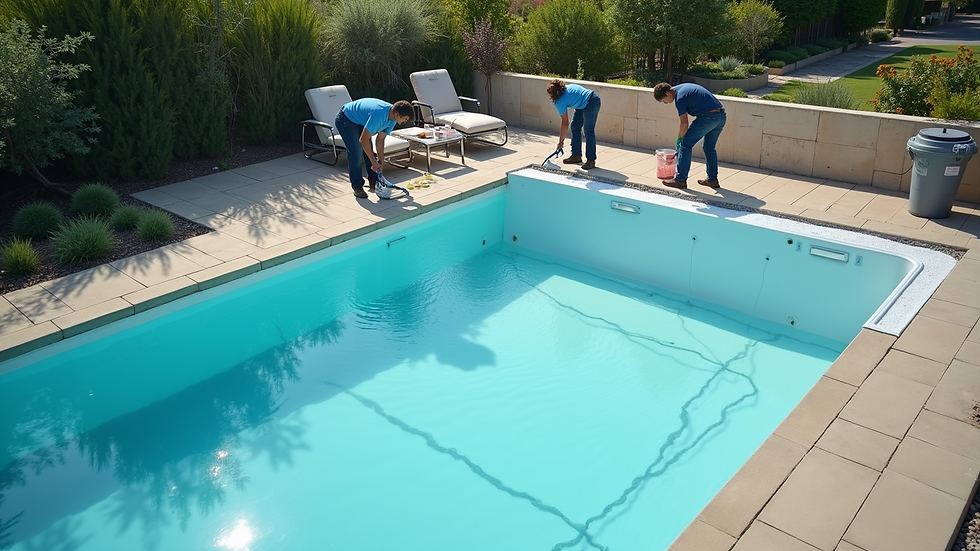
Keeping Your Pool Beautiful After Resurfacing
Once your pool has a fresh new surface, you’ll want to keep it looking that way. Here are some simple maintenance tips:
Maintain Proper Water Chemistry
Balanced pH and chlorine levels prevent surface damage and staining.
Clean Regularly
Brush the walls and vacuum the pool to avoid algae buildup.
Avoid Harsh Chemicals
Use pool-safe products to protect the new surface.
Cover Your Pool
A good cover keeps debris out and reduces chemical use.
Schedule Routine Inspections
Catch small issues before they become big problems.
By following these steps, you’ll extend the life of your resurfaced pool and enjoy crystal-clear water for many seasons.
Making the Most of Your Investment
Resurfacing your pool is a smart way to protect your investment and enhance your backyard oasis. It’s not just about looks—it's about safety, comfort, and long-term savings. When you understand the factors that influence pool renovation costs, you can make informed decisions that fit your budget and lifestyle.
If you’re in the North Bay area and thinking about resurfacing your pool, don’t hesitate to reach out to local experts who know the ins and outs of our unique climate and pool styles. They’ll guide you through the process and help you enjoy a sparkling pool that’s ready for endless summer fun.
Ready to take the plunge? Your pool deserves it!

Such an inspiring renovation story! I appreciate how this Pool Renovation embraced natural textures and a relaxed coastal atmosphere instead of following temporary trends. The outdoor dining area and oversized planters added so much personality to the space. Everything feels timeless, comfortable, and designed to truly enjoy everyday life outdoors.